~ This blog explores how on-page SEO continues to play a vital role even as AI transforms search behavior. It highlights modern strategies and techniques businesses can adopt to stay visible and competitive in the age of AI-driven search.
Artificial intelligence now powers major search engines and discovery tools, making it more important than ever to master on-page SEO best practices. Even as we navigate the emergence of on-page SEO in 2026, the fundamentals still hold—but the approach evolves. With advanced models shaping how queries are interpreted, websites must align not only with human readers but also with AI-driven search behaviours. By embracing SEO for AI search and AI SEO optimization, you can secure visibility in both traditional and AI-powered results, ensuring your content doesn’t vanish into the digital shadows.
1. Understand the changing search landscape
The arrival of generative and conversational AI means that when users seek answers, they often interact with intelligent agents rather than simply clicking through pages. A recent study of 25,000 queries showed that pages ranking #1 on Google have a significantly greater chance of being included in AI-driven search results. What this means is that artificial intelligence search engine optimization isn’t about replacing traditional tactics—it’s about adapting them.
Rather than seeing the rise of AI as signalling the end of SEO, it is more accurate to view it as the beginning of a new chapter: one where creating clear, authoritative, and structured content is just as important as ever.
In short: the context is shifting, but the goal remains the same ensuring the right content surfaces at the right moment.
2. Craft high-quality, clearly structured content
In the realm of modern on-page SEO techniques, content quality and structure rise to the forefront. Search engines—and AI systems—look for content that answers user queries succinctly and logically. This means:
- Crafting an obvious hierarchy of headings and subheadings so that both people and AI can follow the flow.
- Writing in concise, clear language that addresses user intent rather than simply inserting keywords.
- Dividing long guides into “chunks” that answer specific questions or sub-topics—this aligns with how AI systems deconstruct and reassemble content for summaries.
- Ensuring each page has a single, focused topic—with supporting sections that add depth rather than wandering off.
Remember, AI and SEO go hand in hand when your content is legible, logical, and genuinely helpful.
3. Focus on user intent and conversational queries
As we talk about SEO for AI search, a key shift is from keyword-centric writing toward intent-driven writing. At its heart, the user is now asking more open-ended and conversational queries—especially when using voice search or AI chat assistants.
To align with that:
- Use “question-style” headings (e.g., “How does X work?”) and answer them directly.
- Incorporate variations of search terms that reflect natural language (“what are the benefits of…”, “how to choose…”, “why does my…”) rather than just relying on raw keyword strings.
- Analyse your analytics to find what users actually ask and how your existing pages perform.
This doesn’t mean abandoning keywords altogether but recognising that AI SEO optimization requires bridging from “what my page is about” to “what the user wants to know”.
4. Strengthen technical foundations and beyond
Though content carries heavy weight, traditional technical elements still matter—perhaps more now than ever. Technical health underpins visibility, accessibility, and user trust, which all feed into SEO in the AI era. Key technical areas include:
- Ensuring mobile-friendliness and fast page-loads (especially crucial in 2026).
- Using clean HTML, correct canonical tags, and well-structured heading elements so that search engine bots and AI models can parse your content easily.
- Implementing schema markup where helpful (although note: markup alone does not guarantee a higher ranking).
- Monitoring crawl health, indexation status, and log-file analytics to ensure your site is being crawled and understood properly.
In essence, these technical upkeep measures feed into your ability to perform when we talk about AI and SEO—because a site with structural problems will struggle to compete in either traditional or AI-driven environments.
5. Build authority, relevance and trust
While onsite tactics dominate our focus here, the concept of authority has never been more important in the age of AI. Because AI-driven results often pull from multiple sources, and because users rely on trusted content, pages that demonstrate expertise, credibility and trustworthiness tend to perform better.
Consider the following:
- Establish author credentials where appropriate (bios, expertise).
- Acquire relevant and natural external links—being cited by reputable sources still sends strong signals.
- Ensure internal linking is logical and reflects your site’s hierarchy, helping both users and crawlers understand relationships.
- Encourage engagement, such as comments or social shares, which can signal relevance and freshness.
When thinking about on-page SEO best practices, remember that optimisation extends beyond the page itself—it includes your broader site context, reputation and linkage.
6. Optimise for multiple formats and answer-rich snippets
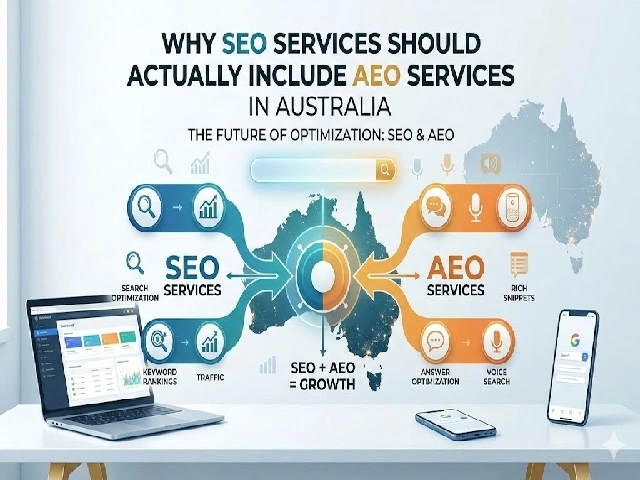
In 2026, visibility isn’t just about the main search-engine results page; it’s also about answer boxes, AI summaries, voice responses, and feature snippets. These formats call for AI SEO optimization techniques:
- Use concise definitions or “What is…” sections early in your content to increase chances of being featured in snippet-type answers.
- Provide structured lists or step-by-step instructions where possible, because AI models often extract from list formats.
- Use tables or bullet-points to break up complex topics into digestible chunks.
- Optimise for voice search by including natural conversational phrases and questions.
By adjusting your content to support these formats, you’re increasing your chances of being chosen as a source in both traditional SERPs and AI-driven answers.
7. Monitor performance in AI-driven environments
Finally, to truly harness on-page SEO in 2026, you need to track not only traditional metrics (rankings, clicks, bounce rate) but also your visibility in AI-driven contexts. Because AI systems may prioritise different signals or aggregate content differently, your audit process should include:
- Tracking placements in answer boxes, featured snippets, and voice responses.
- Analysing how changes in your content affect visibility in AI search tools or aggregated answer results.
- Keeping an eye on how organic traffic patterns shift—if you notice traffic dips despite strong rankings, it may be due to AI summaries capturing user queries without clicks.
- Refreshing content based on emerging query trends and conversational patterns.
By proactively monitoring and adapting, you ensure your modern on-page SEO techniques keep pace with the shifting landscape.
Conclusion
Although the digital-search world is rapidly evolving under the influence of AI, the core principles of successful on-page search optimisation remain intact: clarity, relevance, structure, trust and performance. Today, successful strategies blend those foundations with forward-looking adjustments that reflect how AI “reads” content, how users ask questions, and how answers are surfaced. By aligning your approach to both human users and intelligent systems, you set your website up for sustainable visibility—not just in the search results of today, but in the AI-enabled discovery channels of tomorrow.
In other words: keep mastering your on-page fundamentals, and layer in the new demands of SEO for AI search – and you’ll stay ahead of the curve.
As AI continues to redefine how search engines understand and rank content, mastering on-page SEO has become essential for every business aiming to stay visible online. Savit Interactive stands at the forefront of this transformation, helping brands adapt to the new search landscape with intelligent strategies and data-driven insights. As a full-service digital marketing agency, Savit Interactive blends technical SEO expertise, creative content solutions, and advanced analytics to deliver measurable growth. With over two decades of experience and a global footprint, the agency empowers businesses to build authority, enhance visibility, and thrive in the era of AI-driven search.